ACCOUNTING OPERATIONS • WORKFLOW IMPROVEMENT • PRACTICAL AI
Why does accounting experience matter when designing AI workflows?
Because good workflow design depends on understanding the work, the controls around it, and the judgment people must apply.
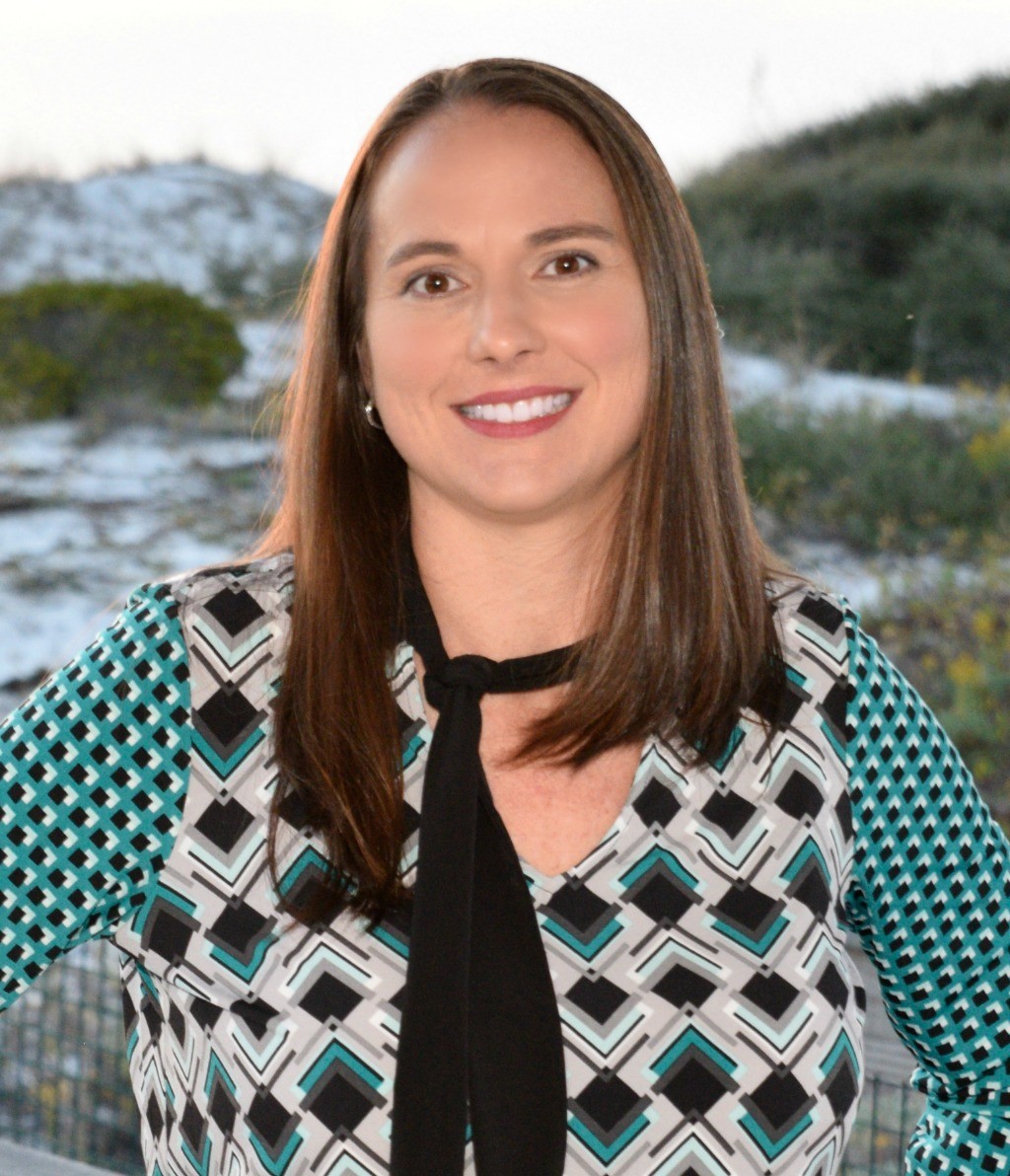
Laura Nelson founded A-List Accounting in 2009. Her background includes progressive roles as Accountant II, Operations Management Consultant II, Controller, and Operations Manager, alongside operating A-List. Her work has spanned accounting systems, financial reporting, budget and cost analysis, grants administration, payroll and tax administration, business operations, workflow analysis, process improvement, policies and procedures, staff training, and system implementation.
Education
MBA, Accounting/Finance specialization — Florida Institute of Technology • B.S. in Accounting — Florida State University • A.A. in Accounting — Chipola Junior College
An established foundation for practical workflow design
A-List’s current focus on workflow design and practical AI builds on verified accounting, operational, systems, documentation, implementation, and training experience.
Since 2009, A-List has served organizations across accounting, property management, consulting services, manufacturing, construction, nonprofits, condominium and community associations, and short-term rental management. Historical work—including accounting, tax returns, payroll, sales tax, and operational consulting—provides practical business context; it is not the company’s current primary positioning.
ACCOUNTING + OPERATIONS
Understanding the work behind the workflow
Experience includes accounting systems, reporting, budget and cost analysis, Controller responsibilities, grants and payroll administration, operations management, workflow analysis, policies, procedures, and staff training.
SYSTEMS + IMPLEMENTATION
Improving systems, procedures, and adoption
Laura has recommended accounting-system improvements, implemented tracking and management systems, trained users, standardized procedures, maintained SOPs, and implemented short-term-rental platforms including TRACK/TrackHS and LiveRez. She has used SharePoint, Microsoft Teams, and Outlook workflow and automation features for more than eight years to organize information, support repeatable work, and improve communication.
PRACTICAL AI + DEVELOPMENT
Applying new tools to established workflow work
Laura began actively exploring and using ChatGPT in early 2025. Her practical work includes AI-assisted workflows, custom GPT prompts for recurring monthly finance-fee processes, SOP creation and improvement, and evaluating where AI can reduce repetitive administrative work. Power Automate and n8n remain areas of continuing development, not claimed expert-level capabilities.
Laura is currently pursuing additional AI and Microsoft AI certifications as part of her ongoing professional development in practical AI and workflow design. These are in progress and are not presented as completed credentials, Microsoft certification status, partnership, or endorsement.
A-List’s move into AI workflow design is not a departure from its history. Across Laura’s career, the work has consistently involved understanding accounting and business processes, identifying inefficiencies, implementing systems, documenting procedures, and training people. AI and Microsoft Copilot are a new generation of tools being applied to that established work, while ongoing professional development continues to deepen the technical side of the practice.
01
Accounting
02
Business operations
03
Systems and process improvement
04
Technology implementation
05
Workflow design
06
Practical AI
07
Continued formal AI education
01
What work is being performed?
02
Where is time being lost?
03
Where does information move inefficiently?
04
Where is human judgment required?
05
Where could AI or automation reduce friction?
AI should support professional work—not replace professional accountability.
Useful AI workflows preserve human review, professional judgment, clear controls, security considerations, and accountability for the final work.
A-List evaluates where AI can assist with drafting, summarizing, organizing, documenting, or routing information—and where a person must review, decide, approve, or take responsibility. The goal is appropriate use, not automation for its own sake.
Appropriate AI use keeps responsibility visible.
Human review • Professional judgment • Controls • Security considerations • Accountability
Who A-List helps
Accounting firms are the initial primary focus because A-List brings direct accounting-operations understanding to workflow design. Restaurants and community associations remain secondary areas where operational discipline, information flow, and accountability also matter.
PRIMARY FOCUS
Accounting Firms
Workflow design grounded in direct understanding of accounting operations, client service, documentation, controls, and professional judgment.
Restaurants
Operational workflows where clear information, repeatable processes, and responsible review support execution.
Community Associations
Administrative workflows that benefit from dependable documentation, clearer handoffs, and accountable communication.
From perspective to practical implementation
The About page explains why A-List works this way. The service paths show how that approach is applied.